Steel rivets are a crucial fastener in outdoor projects, as they hold together structures exposed to the outside. However, the introduction of weather and moisture factors significantly alters their performance.
Knowledge of the way these factors impact steel rivets allows builders and hobbyists to make informed decisions when deciding to use them for outdoor applications.
In essence, this post describes how exposure affects the rivets in steel and some practical tips for structural integrity. Solid steel rivets provide reliable fastening solutions for demanding outdoor environments. Understanding these challenges helps ensure lasting performance.
Why Steel Rivets Are Popular for Outdoor Use
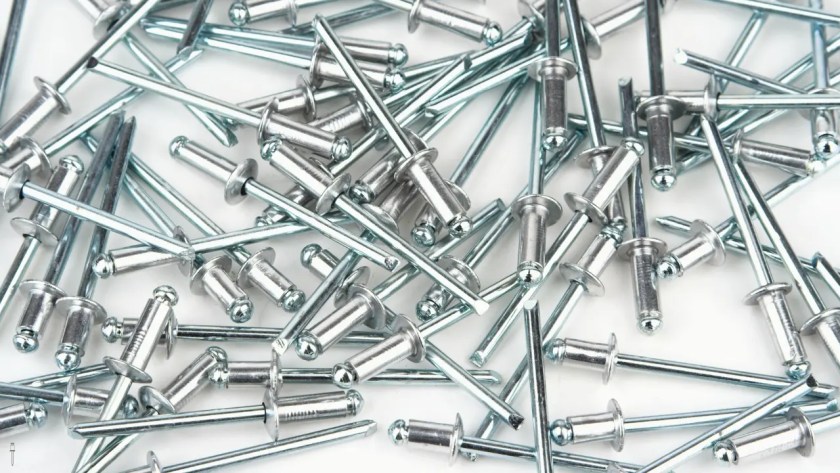
Because of their strength and robustness, builders sometimes use steel rivets in outdoor projects. They have tensile strength enough to be hammered into metal sheets and beams, and other materials, with barely a dent left behind.
The reason steel rivets are preferred is to create durable joints that do not vibrate and are also secure, necessary in buildings with exposure to wind, rain, and temperature.
But the thing of “moisture and different weather” creates another area of issues with longevity and performance.
Moisture’s Impact on Steel Rivets
Steel pieces are liable at any time to exposure to moisture, which will corrode them and promote deterioration of the fastenings. Nature may allow them to suffer the like of a dew all the guard against it will not make any grimy one contented. It is a question of time, also.
Corrosion proceeds under the rivet-head itself, and weakens the union between the pieces which are brought together by it.
Rust, if permitted to grow, will cause a loosening of the rivets, or, worse, a collapse of the structure. Regular examination is necessary in moist climates.
Weather Extremes and Their Effects
Outdoor settings are never consistent. From heat and cold, we get expansion and contraction, respectively, of the steel, which, on the actual riveted joint, imposes further stresses.
Actual frost-and-thaw from extremes of temperature may enlarge the haircracks made in cold weather, and thus allow moisture to enter and do damage.
The heat may also reduce the tensile strength of the steel and render it less unwilling to deform under load. Exposure to sunlight will affect the life history of coats of paint put on the steel rivets.
Protective Measures and Coatings
Waterproof, weatherproofing steel rivets may be dunked in a shield that protects the overhead submerging from dampness and the ravages of weather. Galvanization places zinc on the steel, which forms a protective skin to counteract the formation of rust.
Sealants and paints can protect surfaces from the attack of water and the destructive air. Rivets that are naturally rust-resistant (stainless alloys) are still another aid that can be kept in mind when designing.
“With proper protective coating, the service life of steel fasteners exposed in the atmosphere can be increased substantially.” NACE takes a second look at fasteners.
Fasteners outdoors, whether you make or use with hot-dip galvanization to protect them; it all mean longer outdoor fastener service times and safety.
Best Practices for Installation
Proper fitting and installation of all steel rivets provides protection against premature failure when operated outdoors. Keeping holes drilled true and squares held where they should be cuts down the chances of moisture finding its way in.
Correct selection of materials obviates the danger of galvanic corrosion, which is an action that takes place when two dissimilar metals come in electrochemical contact in the presence of moisture.
The right material used at the time of installation applies sealants that stop the water, which otherwise will work its way into joints. Observing all these points safeguards the system against the ravages of weather and moisture.
Maintenance and Inspection Routines
If one will regularly inspect, he can often detect wear and tear or abrasion on metal cuirasses on outdoor bridles, by carefully looking for corroded spots, discoloration or looseness in fastening, one is apt to detect trouble before it becomes large.
Cleaning of exposed rivets causes all of foreign matter to be scraped off and tends to I keep water from lodging on their surface. Early detection and renewing of fasteners helps to preserve general order of things, because such fasteners will show if getting badly damaged.
A seasonal inspection and repair program keyed to fireplace conditions, can give a long life and safety.
Steel Rivets vs. Different Fastener Alternatives
Some environments call for fasteners that can stand up against moisture and weather better than steel rivets, which is where the alternatives crop up. For coastal or humid areas, select aluminum or stainless steel, which are better rust resistant.
Some fasteners made from plastic or composite, while not as strong, have the additional benefit that they completely eliminate any worry with rust. When the need arises for a specific fastener to meet the outdoor vicissitudes, weighing the ups and downs of each to their best advantage allows the builder to closely tailor the right fastener to the job.
Conclusion
Projects outdoors which call for strong, durable, and reliable steel rivets have met a new threat in moisture and weather.
Steel rivets have a fine performance record out of doors, properly protected, installed, and inspected at regular intervals.
Only when builders are thoroughly cognizant of the way weather and moisture tends to effect the steel, may they make such selections of fasteners as to leave out door structures in an maintained condition.